Predstavte si, že držíte v ruke starú videohru, ktorú ste si v roku 1998 kúpili za tridsať dolárov. Na zadnej strane krabice je jedna nenápadná gramatická chyba – jedno jediné slovo, ktoré tam nemalo byť. Pre bežného človeka je to nepodarok. Pre zberateľa je to „Svätý grál“, za ktorý je dnes niekto ochotný zaplatiť viac ako 400 000 eur.
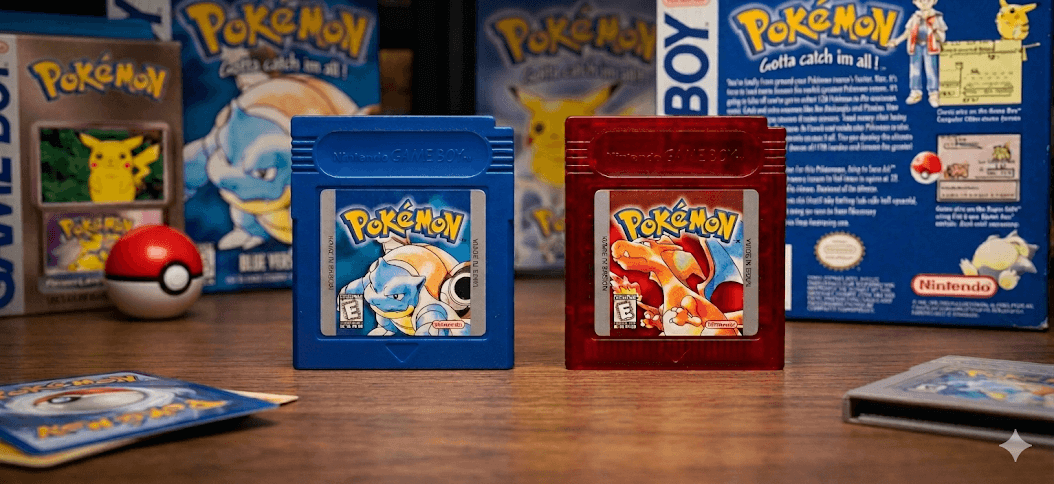
Tento kus modrého kartónu je nemým svedkom chaosu, ktorý sprevádzal štart najväčšej popkultúrnej mánie v dejinách.
Chaos pri zrode mánie
Písal sa rok 1998 a Nintendo sa pripravovalo na inváziu Pokémonov do USA. V Japonsku už šialenstvo prebiehalo s verziami Red a Green, no pre americký trh sa rozhodli vydať dvojicu Red a Blue. Tlak na termíny bol enormný, objednávky sa rátali v miliónoch a grafici pracovali pod obrovským stresom. V tomto zhone vznikol detail, ktorý si vtedy nikto nevšimol.
Chyba, ktorú svet prehliadol
Na zadnej strane krabice verzie Pokémon Blue bol marketingový text popisujúci hru. Kvôli chybe pri kopírovaní grafických podkladov však na modrej krabici ostala veta z červenej verzie: „Red Version provides...“ namiesto správneho „Blue Version provides...“. Nintendo v podstate predávalo modrú hru v obale, ktorý tvrdil, že je červená.
Rýchla oprava a zrod legendy
Nintendo chybu zistilo takmer okamžite. V druhej várke tlače, ktorá prišla o pár týždňov neskôr, bol text už opravený. Väčšina detí v tom čase krabice nemilosrdne roztrhala a vyhodila do koša, aby sa čo najrýchlejšie dostali k samotnej hre. Len mizivé percento kusov zostalo zapečatených v pôvodnej fólii s touto unikátnou chybou – dnes známou ako „Red Text Misprint“.
Detektívna práca s lupou v ruke
Dnes, v roku 2026, je tento „Misprint“ jediným spôsobom, ako na 100 % dokázať, že kópia pochádza z úplne prvej hodiny, kedy Pokémoni vstúpili na americký trh. Zberatelia používajú lupy a mikroskopy, aby overili detaily tlače. Ak vlastníte verziu s touto chybou, nedržíte len hru, ale certifikovaný kus histórie z „nultého dňa“.
Z vreckového na pol milióna
V roku 1998 stála táto hra 29,99 $. V marci 2026 sa hodnota dokonale zachovanej kópie (v hodnotení 9.6 A++) vyšplhala na závratných 420 000 $. Je to fascinujúci dôkaz toho, že v zberateľstve nie je dôležitá dokonalosť, ale práve unikátna chyba. Príbeh Pokémon Blue nám pripomína, že niekedy má najväčšiu cenu práve to, čo sa nepodarilo.
Imagine holding an old video game you bought for thirty dollars back in 1998. On the back of the box, there is a tiny, inconspicuous error—one single word that shouldn't be there. To an ordinary person, it’s a flaw. To a collector, it’s a "Holy Grail" for which someone is now willing to pay over $400,000.
This piece of blue cardboard is a silent witness to the chaos that accompanied the launch of the biggest pop-culture mania in history.
Chaos at the Birth of Mania
The year was 1998, and Nintendo was preparing for the Pokémon invasion of the USA. In Japan, the madness was already underway with Red and Green versions, but for the American market, they decided to release Red and Blue. The pressure on deadlines was enormous, orders were in the millions, and designers worked under immense stress. In this rush, a detail was created that no one noticed at the time.
The Error the World Overlooked
On the back of the Pokémon Blue box was the marketing text describing the game. Due to a copy-paste error in the graphic assets, the text from the red version remained on the blue box: "Red Version provides..." instead of the correct "Blue Version provides...". Nintendo was essentially selling a blue game in a box that claimed to be red.
A Quick Fix and the Birth of a Legend
Nintendo discovered the error almost immediately. In the second print run, which arrived a few weeks later, the text was already corrected. Most children at the time ruthlessly tore open the boxes and threw them in the trash to get to the game as quickly as possible. Only a tiny fraction of copies remained sealed in the original foil with this unique error—now known as the "Red Text Misprint."
Detective Work with a Magnifying Glass
Today, in 2026, this "Misprint" is the only way to prove 100% that a copy comes from the very first hour Pokémon entered the American market. Collectors use magnifying glasses and microscopes to verify printing details. If you own the version with this error, you don’t just hold a game; you hold a certified piece of "Day Zero" history.
From Pocket Change to Half a Million
In 1998, this game cost $29.99. In March 2026, the value of a perfectly preserved copy (graded 9.6 A++) climbed to a staggering $420,000. It is a fascinating proof that in the world of collecting, perfection isn't what matters—it's the unique flaw. The story of Pokémon Blue reminds us that sometimes, the greatest value lies in what went wrong.
Stellen Sie sich vor, Sie halten ein altes Videospiel in der Hand, das Sie 1998 für dreißig Dollar gekauft haben. Auf der Rückseite der Verpackung befindet sich ein kleiner, unauffälliger Fehler – ein einziges Wort, das dort nicht hingehört. Für einen Laien ist es Ausschuss. Für einen Sammler ist es der „Heilige Gral“, für den heute jemand bereit ist, über 400.000 Dollar zu zahlen.
Dieses Stück blauer Karton ist ein stummer Zeuge des Chaos, das den Start der größten Popkultur-Manie der Geschichte begleitete.
Chaos bei der Geburtsstunde der Manie
Wir schreiben das Jahr 1998, und Nintendo bereitete die Pokémon-Invasion in den USA vor. In Japan tobte der Wahnsinn bereits mit den Versionen Rot und Grün, doch für den amerikanischen Markt entschied man sich für Rot und Blau. Der Termindruck war enorm, die Bestellungen gingen in die Millionen, und die Grafiker arbeiteten unter extremem Stress. In dieser Eile entstand ein Detail, das damals niemand bemerkte.
Der Fehler, den die Welt übersah
Auf der Rückseite der Pokémon Blaue Edition befand sich der Beschreibungstext des Spiels. Durch einen Fehler beim Kopieren der Grafikvorlagen blieb auf der blauen Packung jedoch der Text der roten Version stehen: „Red Version provides...“ statt des korrekten „Blue Version provides...“. Nintendo verkaufte im Grunde ein blaues Spiel in einer Verpackung, die behauptete, rot zu sein.
Schnelle Korrektur und die Geburt einer Legende
Nintendo bemerkte den Fehler fast sofort. In der zweiten Druckauflage, die nur wenige Wochen später erschien, war der Text bereits korrigiert. Die meisten Kinder damals zerrissen die Packungen rücksichtslos und warfen sie in den Müll, um so schnell wie möglich an das Spiel zu gelangen. Nur ein winziger Bruchteil der Exemplare blieb originalverschweißt mit diesem einzigartigen Fehler erhalten – heute bekannt als der „Red Text Misprint“.
Detektivarbeit mit der Lupe
Heute, im Jahr 2026, ist dieser „Misprint“ der einzige Weg, um zu 100 % zu beweisen, dass eine Kopie aus der allerersten Stunde stammt, in der Pokémon den amerikanischen Markt betrat. Sammler nutzen Lupen und Mikroskope, um die Druckdetails zu verifizieren. Wer die Version mit diesem Fehler besitzt, hält nicht nur ein Spiel in den Händen, sondern ein zertifiziertes Stück „Tag Null“-Geschichte.
Vom Taschengeld zur halben Million
Im Jahr 1998 kostete dieses Spiel 29,99 $. Im März 2026 kletterte der Wert eines perfekt erhaltenen Exemplars (bewertet mit 9.6 A++) auf unglaubliche 420.000 $. Es ist ein faszinierender Beweis dafür, dass beim Sammeln nicht die Perfektion entscheidend ist, sondern gerade der einzigartige Fehler. Die Geschichte der Blauen Edition erinnert uns daran, dass manchmal das, was schiefgelaufen ist, den größten Wert hat.